
In travel and expedition photography, there's a world of difference between taking snapshots and creating storytelling images. Both have their place in your camera roll, but understanding the distinction can transform you from a tourist with a camera into a visual storyteller who captures the soul of a journey
The Snapshot: Recording the Moment
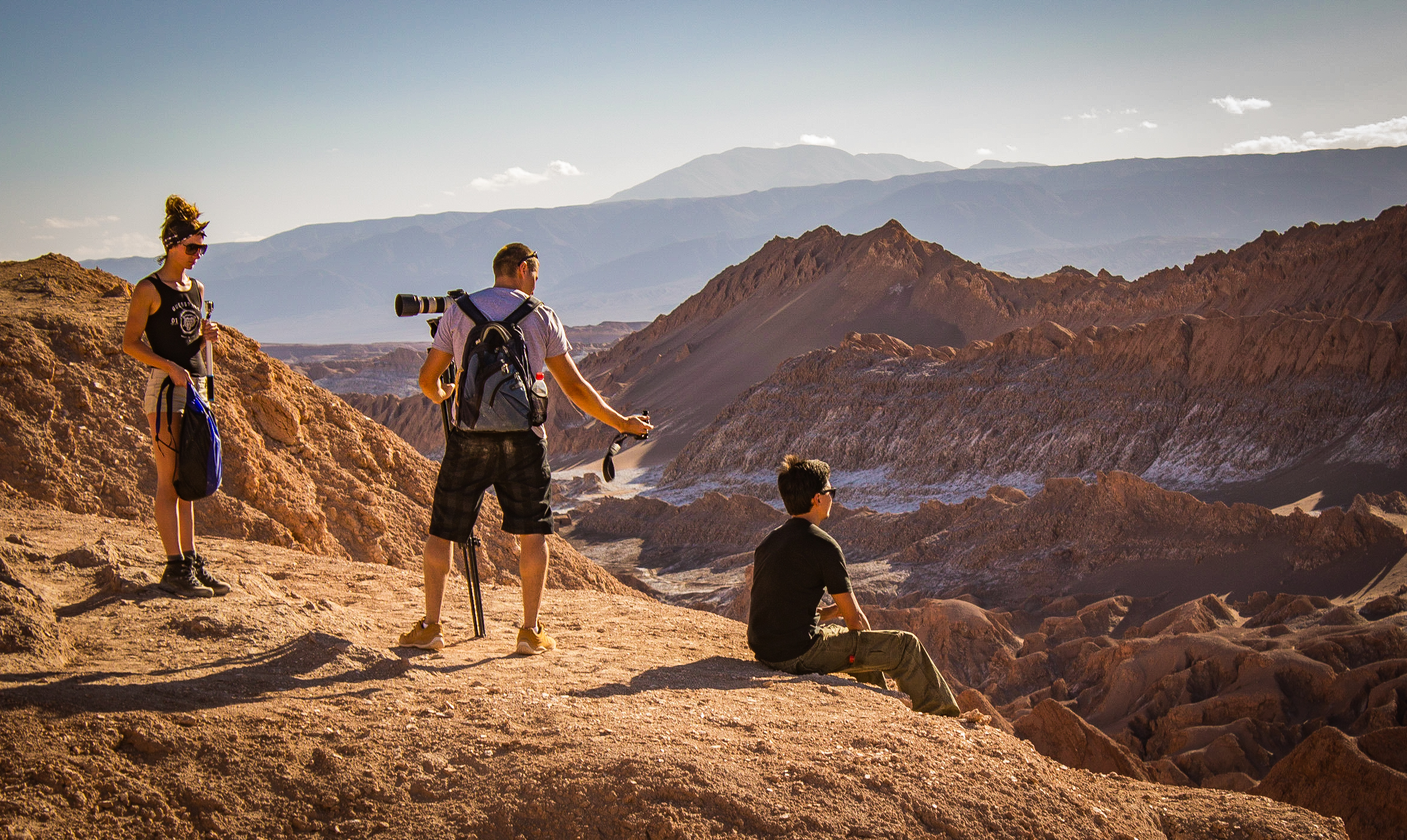
A snapshot is visual documentation. It's the photo you take to prove you were there?standing in front of the Eiffel Tower, posing at Machu Picchu, or holding up that local dish everyone told you to try. These images serve as personal receipts of experience, markers on your travel map.
Snapshots answer the question: "What did I see?"
They're often centered, well-lit, and straightforward. The landmark fills the frame. The sunset is captured. The group smiles at the camera.
There's nothing wrong with these images?they're important memories, visual notes in your travel diary. But they rarely tell anyone else anything meaningful about your experience.
Look through most travelers' photo galleries, and you'll see thousands of snapshots: the same angle of famous monuments that millions have photographed before, selfies at scenic overlooks, plates of food shot from directly above. These images catalog locations but rarely capture experiences.
The Storytelling Image: Revealing the Experience
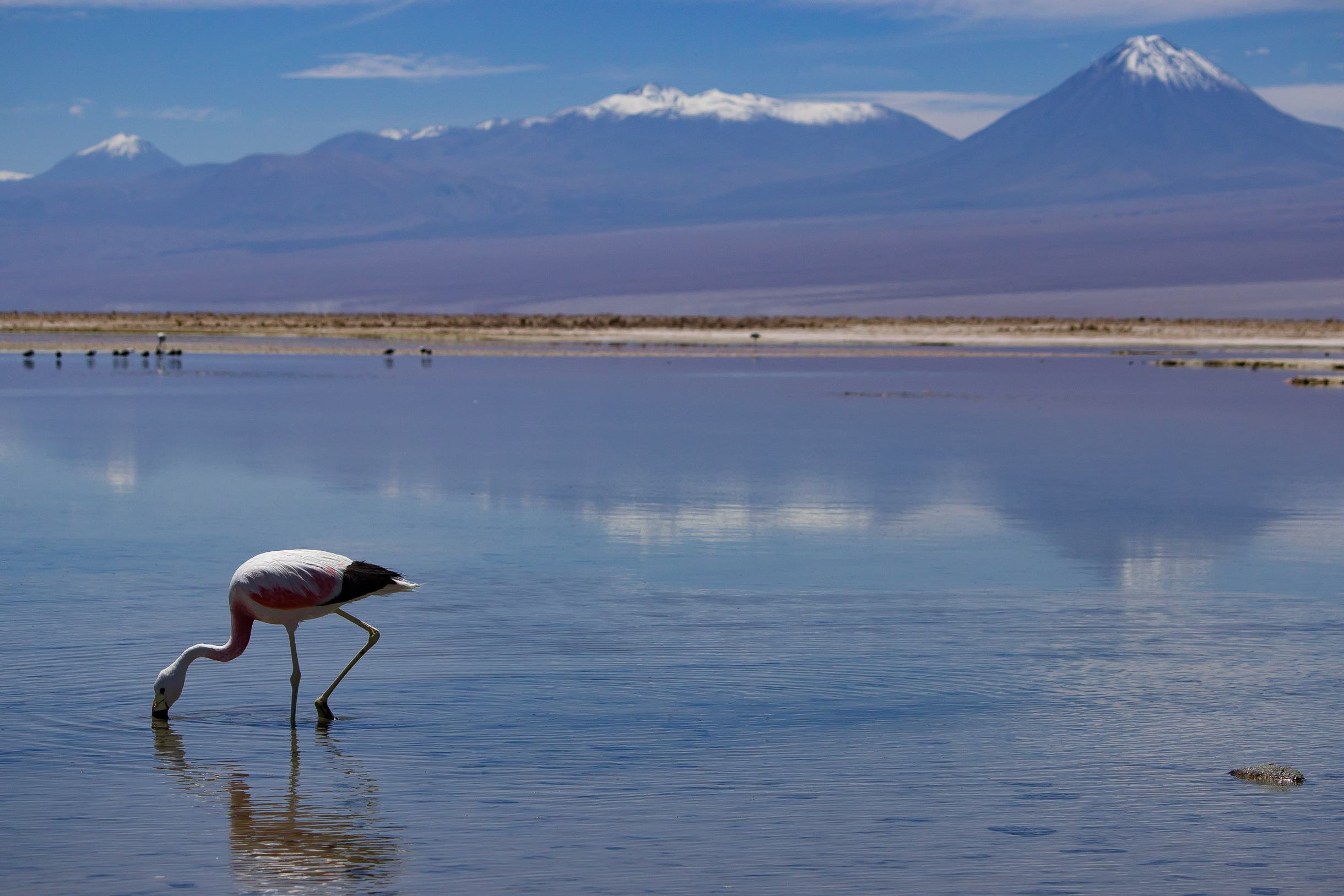
A storytelling image, by contrast, invites viewers into a moment. It doesn't just show where you were?it conveys what it felt like to be there, what you witnessed, and why it mattered. These photographs have layers: a foreground, middle ground, and background that work together; human elements that provide scale and emotion; light that creates mood rather than just visibility.
Storytelling images answer deeper questions: "What was happening? How did this feel? Who lives here? What's their story?"
Consider the difference: Instead of photographing the front of a temple, you capture a monk's weathered hands arranging morning offerings, shafts of dusty light illuminating the ancient ritual. Instead of another sunset shot, you frame a fisherman silhouetted against the golden hour, his nets draped like sculptures, telling the story of a day's labor ending.
The Elements That Transform Snapshots into Stories
Human Connection: The most powerful travel photographs often include people?not posed and smiling at the camera, but engaged in their lives. A street vendor concentrating on their work, children playing in an alley, an elderly couple sitting together in their doorway. These images remind viewers that places aren't just destinations; they're homes, communities, and living stories.
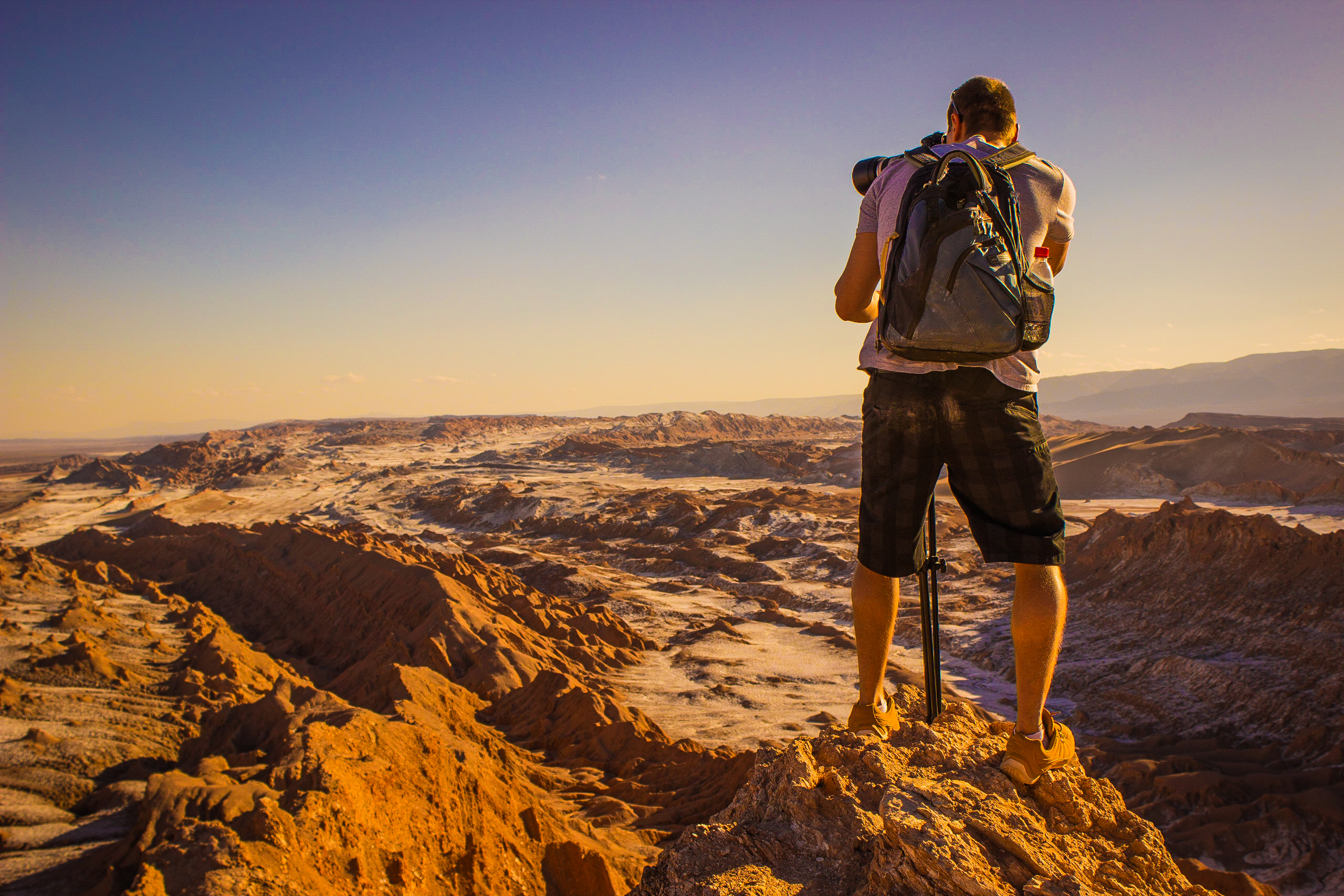
Context and Layers: Storytelling images show relationships between elements. A lone traveler dwarfed by towering mountains tells a story about scale and solitude. A bustling market scene with layers of activity from foreground to background communicates energy and chaos. Your composition should guide the eye on a journey through the frame.
Light and Mood: Snapshots are taken in convenient light. Storytelling images are captured in meaningful light. The harsh noon sun might document a place clearly, but the golden hour, blue hour, or even dramatic storm light can transform an ordinary scene into something extraordinary. Light doesn't just illuminate?it communicates emotion.
Decisive Moments: While a snapshot captures "I was here," a storytelling image captures "This happened here." It's the instant the wave crashes, the moment of laughter, the gesture that reveals character. These moments are fleeting and require patience, anticipation, and awareness.
Perspective and Point of View: Shooting from eye level straight ahead is how we typically see the world?it's comfortable but rarely compelling. Get low to emphasize foreground elements. Shoot from above to show patterns and context. Move close to create intimacy. Your perspective literally shapes how viewers see your story.
Practical Shifts in Approach
Instead of: Photographing a famous building head-on from the designated view point
Try: Finding an unexpected angle, incorporating local life around it, or capturing how people interact with the space.
Instead of: Taking a photo of your meal
Try: Including the hands of the person preparing it, the context of the street stall or family table, or the faces of those sharing it with you
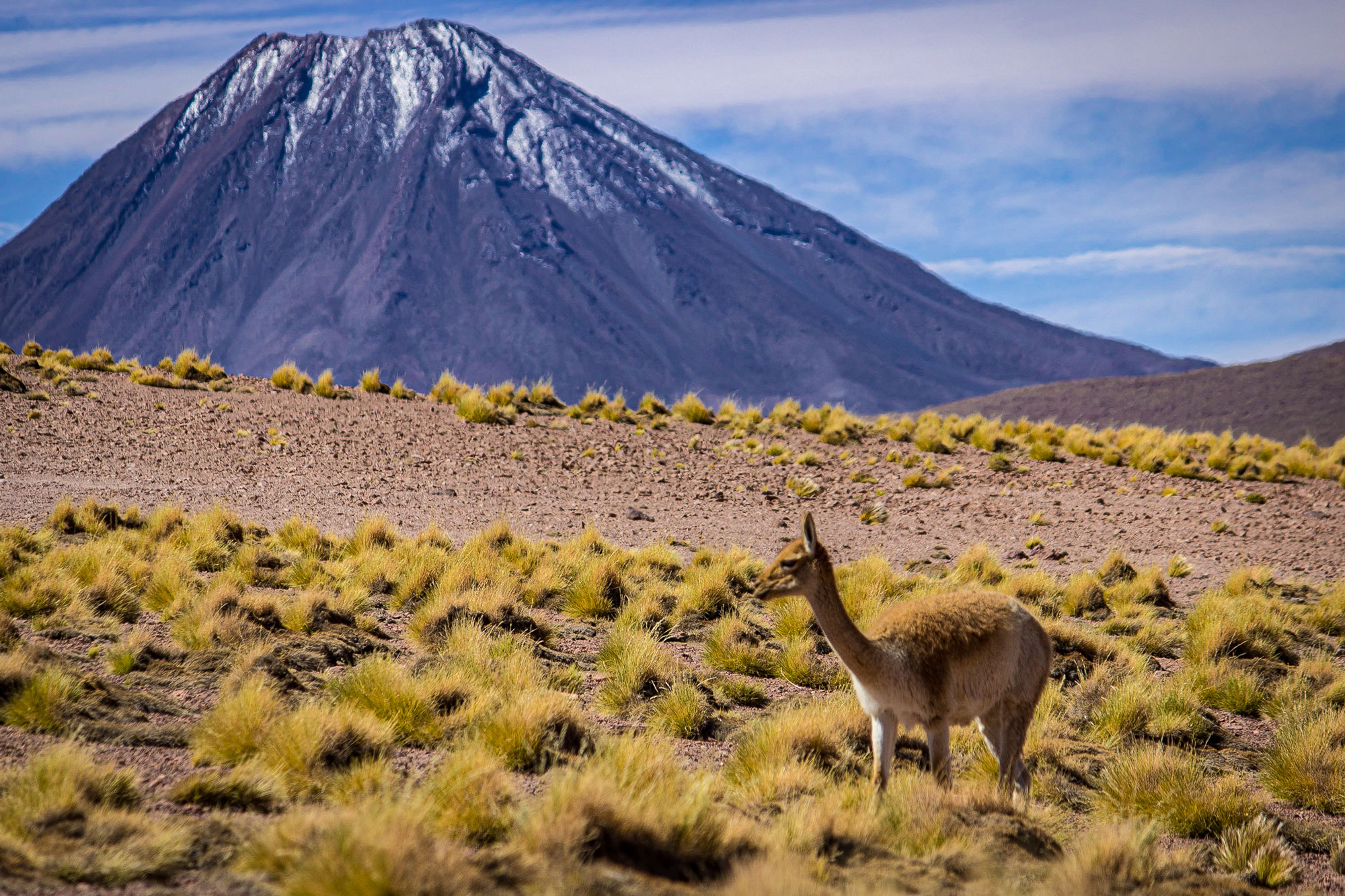
Instead of: Shooting a landscape as a static scene
Try: Including a human element for scale, waiting for changing light conditions, or finding a leading line that draws the eye through the frame
Instead of: Asking someone to pose and smile
Try: Spending time with them, capturing them engaged in their work or daily life, or photographing candid moments that reveal personality

The Technical Foundation
Storytelling photography doesn't require expensive gear, but it does benefit from understanding your tools. Know how to control depth of field to isolate subjects or keep entire scenes sharp. Understand exposure well enough to make creative decisions rather than just correct ones. Learn to see and use available light rather than always relying on flash.
But more important than any technical skill is developing your eye?training yourself to see stories unfolding around you, to notice the small gestures and telling details that others walk past.
Building a Visual Narrative
When shooting an expedition or extended travel experience, think like a filmmaker building a sequence. You need establishing shots that show the big picture, medium shots that provide context, and close-ups that reveal intimate details. You need portraits that introduce characters and action shots that show events unfolding.
A complete visual story of a market might include: the wide shot showing the bustling overview, the medium shot of vendors arranging their wares, the close-up of weathered hands selecting produce, the portrait of a vendor's expressive face, and the detail shot of exotic spices in wooden bowls. Together, these images create a narrative that individual snapshots cannot.
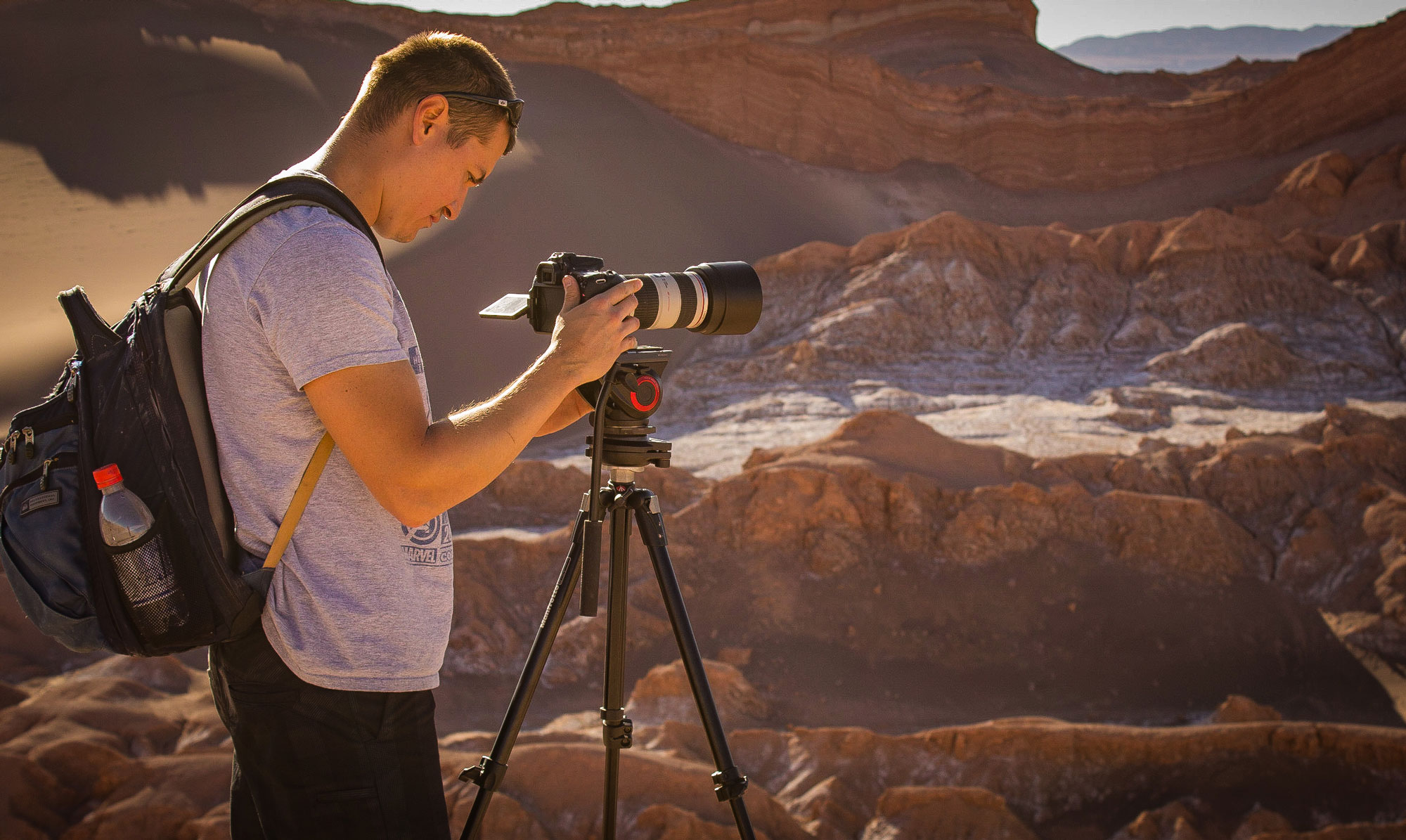
The Ethical Dimension
Storytelling photography in travel and expeditions carries responsibility. You're not just extracting images from places and people?you're representing lives and cultures. Always approach photography with respect. Learn basic phrases in the local language. Ask permission when photographing people in intimate or private moments. Consider whether your presence and camera change the authenticity of what you're capturing.
The best travel photographers are often those who put the camera down first, spend time genuinely connecting with people and places, and only then begin photographing from a place of understanding and relationship rather than extraction.
From Tourist to Storyteller
The journey from taking snapshots to creating storytelling images mirrors the journey from tourist to traveler. Tourists check off lists and collect proof they were somewhere. Travelers immerse themselves in experiences and seek understanding. Snapshot photographers document surfaces. Storytelling photographers reveal depths.
This doesn't mean abandoning snapshots entirely?those memory markers have value. But by developing your storytelling skills, you create images that do more than remind you where you've been. You create photographs that transport others there, that reveal something true about a place and its people, that preserve not just the fact of your presence but the feeling of your experience.
When you return from your next expedition and share your images, the difference will be clear. Instead of viewers nodding politely at familiar landmarks, they'll lean in closer, ask questions, and feel as if they've traveled alongside you. That's when you'll know you've moved beyond snapshots and into the realm of visual storytelling?where photography becomes not just documentation, but art that bridges distances and connects human experiences across cultures and continents.
The world is full of stories waiting to be seen and shared. Your camera is the tool, but your curiosity, patience, and empathy are what transform moments into meaningful images that endure long after the journey ends.