
If you are considering Svalbard as your next photography destination we have put together this useful guide which features recommended equipment to help you get the best shots, what Svalbard has to offer the photographer and what you are likely to see on a typical photography expedition.
When is the best time of year to photograph Svalbard?
Photography in Svalbard is divided into distinct seasons. The summer season begins in May where photographers experience 24-hour sunlight and often calm weather conditions. The sea ice begins to recede, making the north coast accessible by boat which is a great area to sight polar bears. This is a great time of year for wildlife photography taking advantage of the total lack of darkness. Often the mountains are still snow-covered offering some scenic backdrops for landscape photography. By late July and early August, the areas to the north are relatively free of sea ice meaning that a full circumnavigation of Spitsbergen is possible. September and October offer good light as sunsets start to appear on the horizon again. The winter monthsare the best time to see the northern lights from land-based tours.
???????????What is there to photograph in Svalbard?
Wildlife
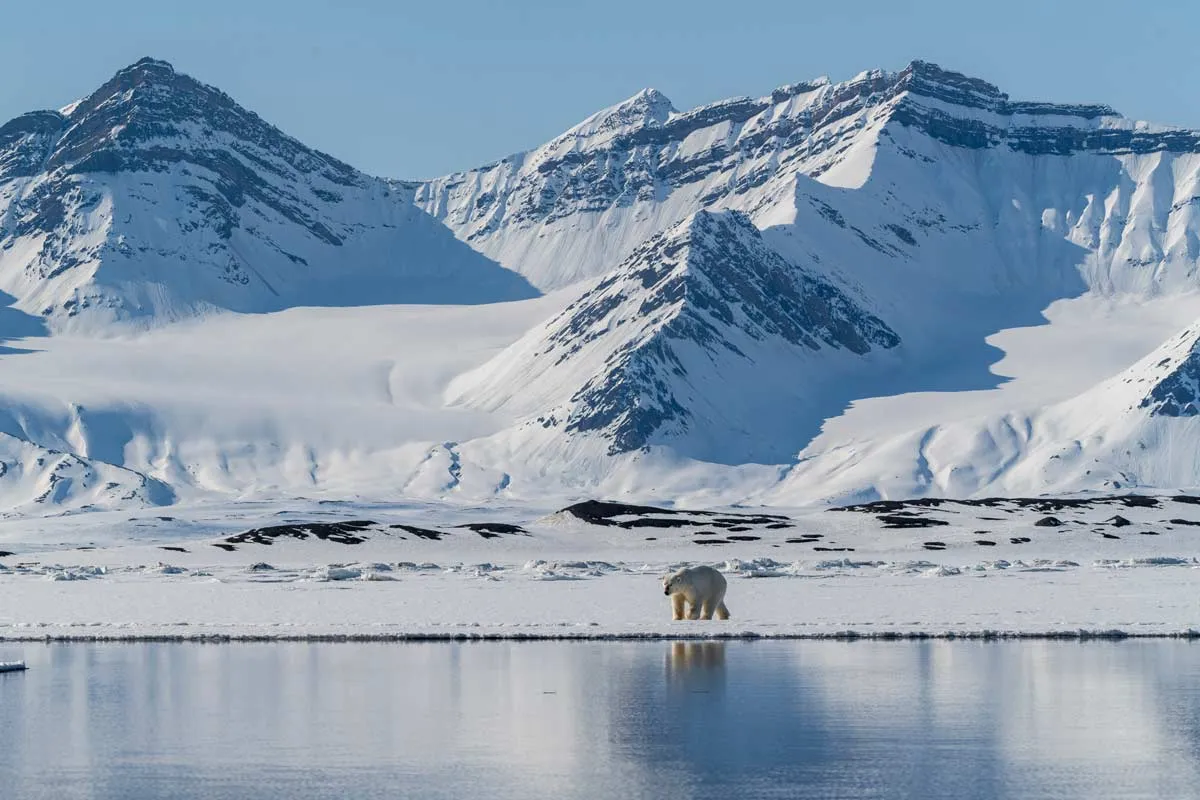
Svalbard is home to an abundance of polar wildlife both on the land and in the sea all of which make great photographic subjects. On 9-day trips there is a good chance of seeing polar bears in their natural wilderness along with walruses hauled out along the coast. Svalbard has a great variety of birdlife and puffins, skuas and fulmars are frequently sighted. On the land, it is possible to encounter Svalbard reindeer as they shyly approach you. If you keep your eyes peeled Arctic foxes are frequently sighted. Polar bears are one of the many wildlife highlights of a photography trip to Svalbard. You will need a telephoto lens to capture an image like this.
Glaciers
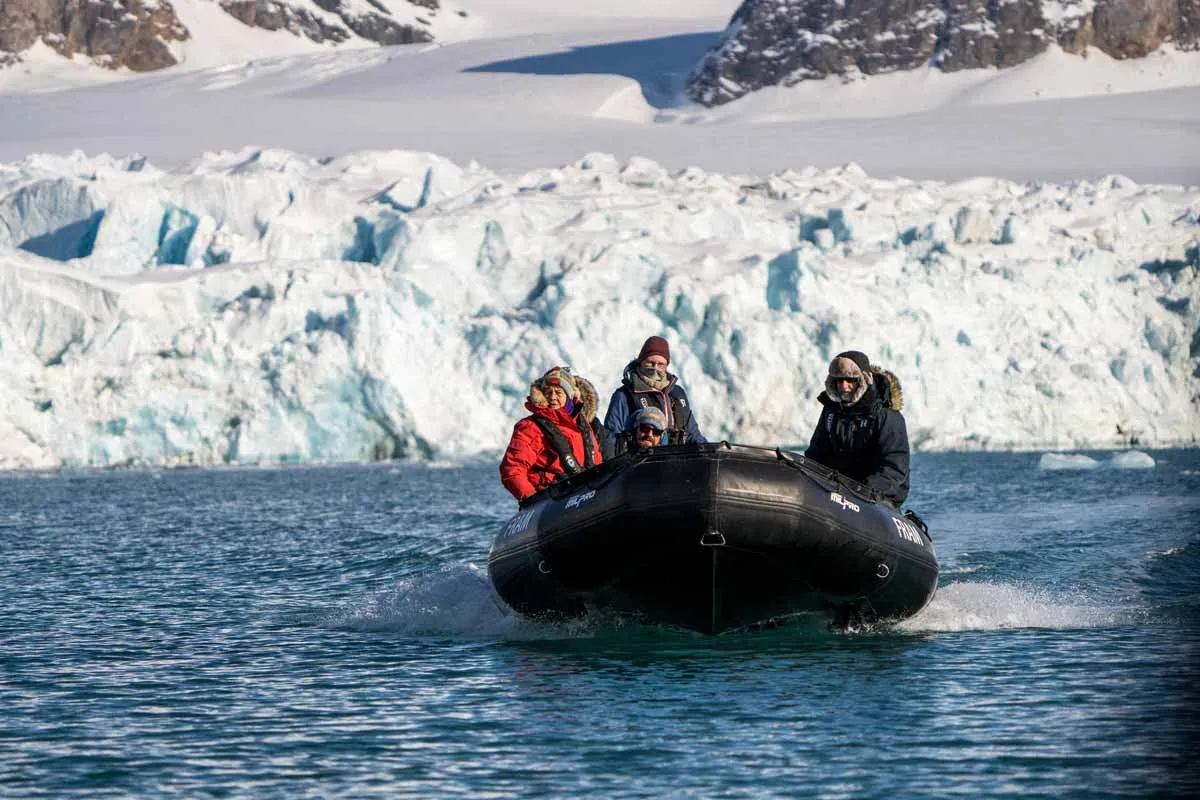
Svalbard has over 2000 glaciers, so the chances are you are going to see more than one. Glaciers make the most mesmerizing photography subjects. Part of the experience of an expedition micro cruise is to spend some time observing glaciers from a close but safe distance waiting for ice to calve off the glacier face and tumble into the tranquil fjords below.
Getting up close to glacier faces is another highlight of any photography trip to Svalbard.
Sea Ice
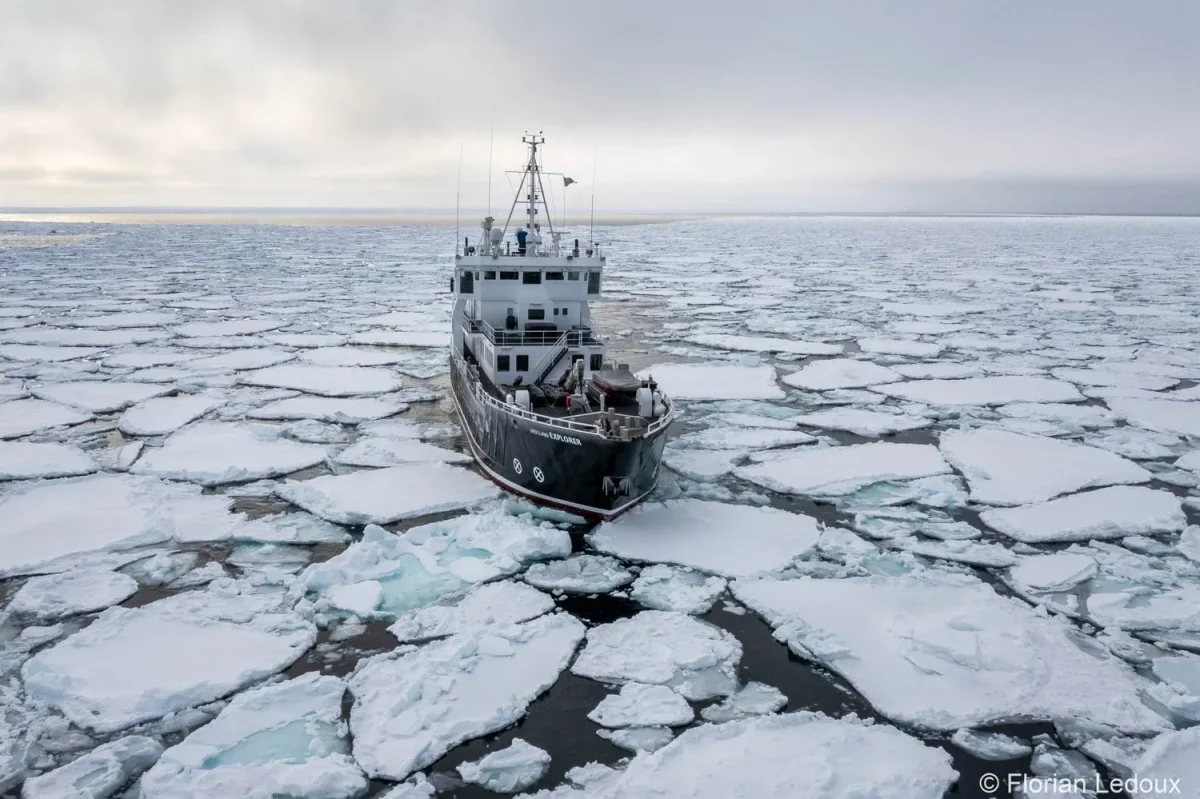
The sea ice to the north of Svalbard extends all the way to the North Pole. In calm conditions, it?s possible to cruise along the edge of the sea ice keeping a vigilant watch for polar bears hunting on the ice. The ice itself makes an atmospheric photography subject. The sound of large rafts of ice gently floating on the sea is magical.
Landscapes
Svalbard is famed for its majestic, raw Arctic Landscapes. Exploring by boat is the ideal way to experience a variety of Svalbard?s ever changing landscapes. During May and June, the landscapes are often still snow-covered making them ideal for landscape photography.

Human History
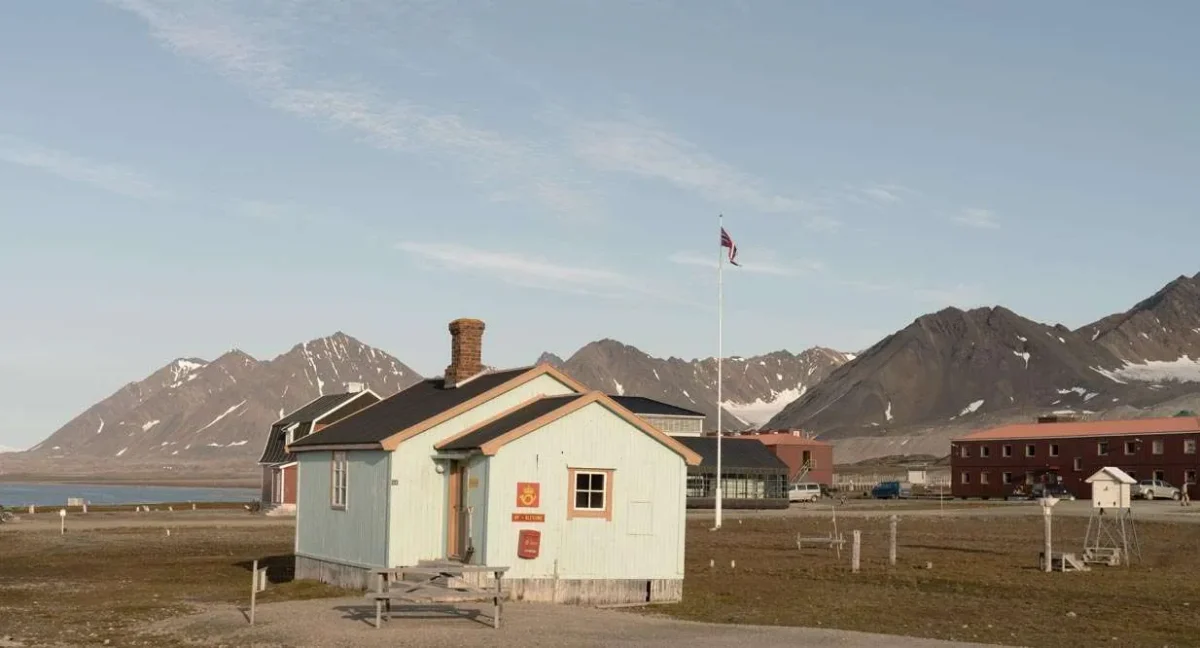
From the abandoned Russian mining town of Pyramiden to the world?s most northerly post-office at Ny-Ålesund, Svalbard has lots of interesting historical sites to photograph. Svalbard has played an important part in polar exploration and has countless sites of historical significance from early whalers through to WW2 weather stations.
Where is the best place to photograph polar bears?
Svalbard is one of the best places on earth to see a polar bear in its undisturbed natural environment. Travelling by small expedition vessel is the perfect way to maximise the chances of a siting. There are strict regulations in place that protect wildlife and it is against the law to disturb a polar bear in its natural habitat. One of the best ways of viewing a polar bear is by boat at a safe distance. Travelling by boat allows us to explore vast stretches of coastline at a time increasing the likelihood of sightings. On land, polar bears can be extremely dangerous and landings are avoided if a polar bear is present. The area to the north of Spitsbergen is a good place to see polar bears in their natural home along with the sea ice to the north of Svalbard where they hunt for prey.
What is the best photography equipment for a Svalbard photography cruise?
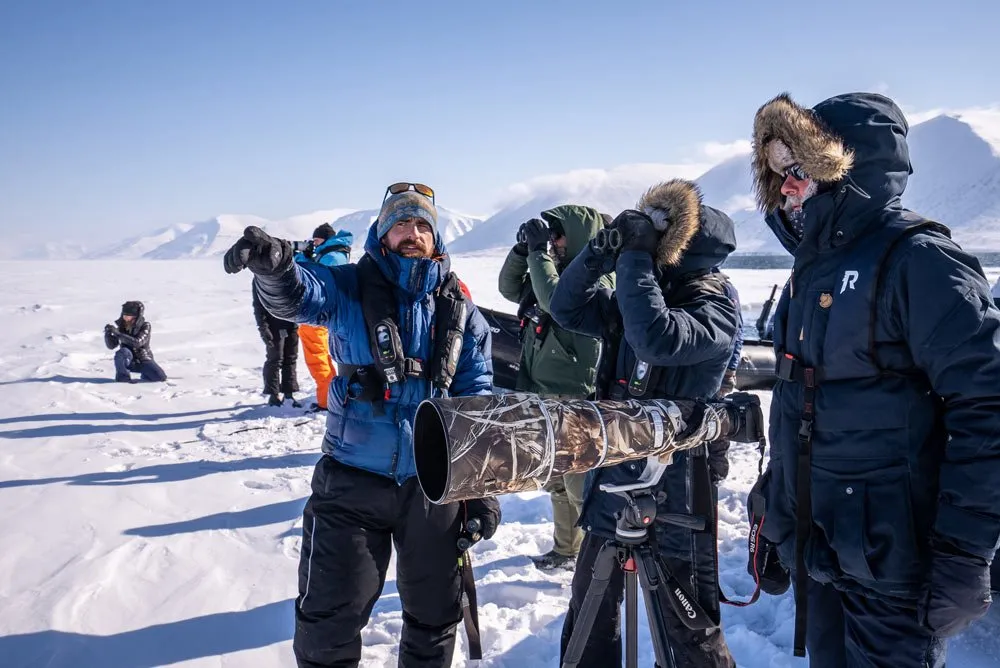
One of the most important pieces of kit for wildlife photography in Svalbard is a telephoto lens. Because it is illegal to get too near or disturb wildlife, to get close up shots of animals you will need a powerful telephoto lens.
Professional and Semi-Professional Cameras and Lenses
We recommend a camera body with weather sealing for shooting in the Arctic. Many professional camera bodies have this such as the Canon 5D Series, Nikon D Series and the Sony A7 Series. It is worth checking before your journey if your camera has weather sealing or not. Mirrorless cameras such as the Sony A7 series have the advantage over full body DSLR that they are lighter and easy to carry on a hike. Image stabilisation is also a huge bonus when using telephoto lenses.
As a basic kit we would recommend the following lenses:
Telephoto Lens For wildlife photography we would recommend a zoom lens of no less than 300mm. Often when we have encountered polar bears they have been at a distance so the longer zoom lens you have the better. Ideally a 600-800mm or a 200mm ? 400mm with a range extender. To get close up shots of walruses in their haul out areas you will need 600 ? 800 mm lens as we are restricted to how near we can approach. Wide Angle lens For landscape photography we recommend a 16-35 mm lens. A wide angle is ideal for glaciers and sea ice.
Mid-Range Zoom A 24-70mm lens is ideal for a range of subjects and general shots.
I?m looking to purchase a camera for a Svalbard cruise but don?t want to invest in lots of different lenses. What would you recommend?
If you are looking for a general all purpose camera we would recommend looking for a bridge camera with an ultra zoom lens. These are cameras with a built-in lens that can go from very wide to telephoto and are ideal if you are looking for a general all round camera. For Svalbard, we would recommend the minimum zoom of 300mm with the ideal being 600mm.
What other camera kit should I bring on my Svalbard cruise?
- A way to stabilise your camera such as a tripod or monopod which is essential for telephoto lenses.
- Consider that the ice of glaciers can be very bright and reflective, so a range of filters such as an ND filterand a polarising filter can be very useful.
- Bring multiple batteries. The cold can reduce the performance of batteries so having extra back-ups is a good idea. You can recharge your batteries on board.
- A waterproof bag to keep your camera dry during shore landings in the zodiac landing craft. It is also possible to photograph from the zodiacs, so a way of splash proofing the camera body is also a good idea.
- A comfortable rucksack with waterproof cover for your camera. This is ideal for transporting your camera equipment when hiking ashore.
- Camera cleaning kit to keep your lenses and sensors clean in the event they become splashed or collect dirt.
- Spare memory cards.
- A way of backing up your photography such as a laptop or digital storage.
- Use a fast shutter speed for photographing fast-moving wildlife such as birds.
- If you don?t want to buy an expensive telephoto lens considering hiring one as the cost is cheaper.
- Don?t disturb the wildlife.
- Take breaks from photographing to enjoy the beautiful, natural environment.
- Remember to rest. It is hard to remember to sleep when there are 24 hours of daylight.