10 Photography tips that will guarantee you better images
In today?s world, anyone can capture a moment?whether with a smartphone or a telephoto lens as long as your arm. But with so many photographers vying for attention, how can you make your wildlife shots truly stand out?
It comes down to being in the right place, at the right time, with the right guidance?and plenty of perseverance.
We?ve gathered insights from one of the most legendary wildlife photographers in the business, Paul Goldstein. An award-winning photographer, presenter, and outspoken conservationist, Paul has led over 40 Polar photo expeditions. Few photographers can match his stature, so if you?re looking for professional advice or seeking an expedition that will push your photography to the next level, it?s Paul Goldstein.
Top 10 Polar Photography Tips
1. Do your Research
Whether it is the ship you travel on or the camera you purchase, this is always time well spent. Someone will always do it cheaper and if seduced, don?t be surprised to find yourself on a 500-berth gin palace only able to do two excursions in a journey hardly assuaged by the excess of shopping, shows, two sittings at dinner and bingo. Research, don?t short-change yourself.
2. Choose the Right Gear
You don?t have to spend the price of a saloon car on photo gear if you are new to this caper. You can always hire cameras, tripods and lenses and see if it agrees with you.
3. The Luxury of Time
You have an awful lot of daylight in the poles and an experienced company should maximise it ? sometimes all 24 hours of it. However, if you?re someone who needs ten hours of sleep each night then choose another destination. Travelling in a small group, such as only 12 guests on a micro cruise with Secret Atlas, will ensure everyone in the group can quickly disembark in minutes onto even smaller ribs therefore getting the most out of really photographic opportunities.
4. Think about your photographs
Look at other people?s efforts, whether in books or online, decide what you like but be sure to put your own inflection on your images otherwise it is not far short of plagiarism.
5. Survival of the fittest
There aren?t many good photographers who are out of condition. Often the difficult shots are found in tough and demanding conditions, you need to be able to shape up physically.
6. Be Ambitious
Whenever I judge any competition, I look for two things more than anything else: originality and degree of difficulty. The former can be either a totally new shot or new light through old windows. With the latter there should be pain and graft. Also ambition whether a technically ambitious image or just a very difficult one physically.
7. Be your biggest critic
The fiercest one has to be you. There is no such thing as a perfect wildlife photo, nor should there be, this is how we like it. New fifth generation digital mirrorless cameras may make it easier but that elusive image will never be attained. This is a good thing. Don?t be sensitive about criticism either. If anyone says, ?It?s nice?, ?I quite like that? or ?I see what you tried to do there? you have failed. It?s only a photograph. Try again.
8. Delete, delete and delete again
Every day, every hour. Don?t leave millions of gigs on some Fort Knox-sized hard-drive. Ideally don?t take too many. Just because some new mirrorless cameras can take 50 frames a second or more doesn?t mean you are obliged to. It just means an awful lot of homework.
9. Think of your audience
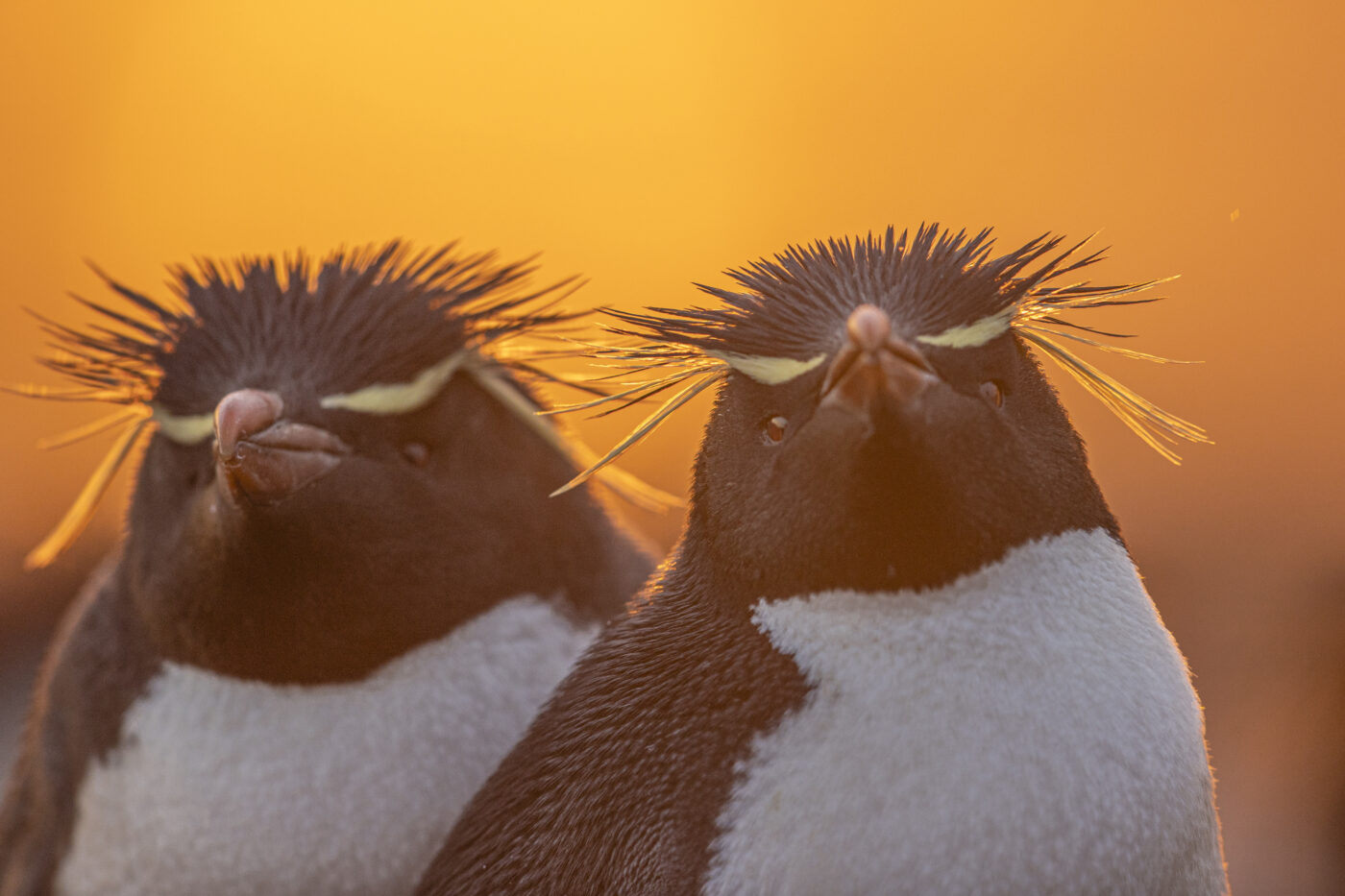
Think you are showing them to 13-year-old children. Imagine their boredom threshold. They don?t need to see ten penguin shots, your two best will do. Or preferably one.
10. Video
It is often a far superior tool but remember to keep them short and engaging. In-line with the above, the 13-year-olds will almost always prefer this